August 27, 2026
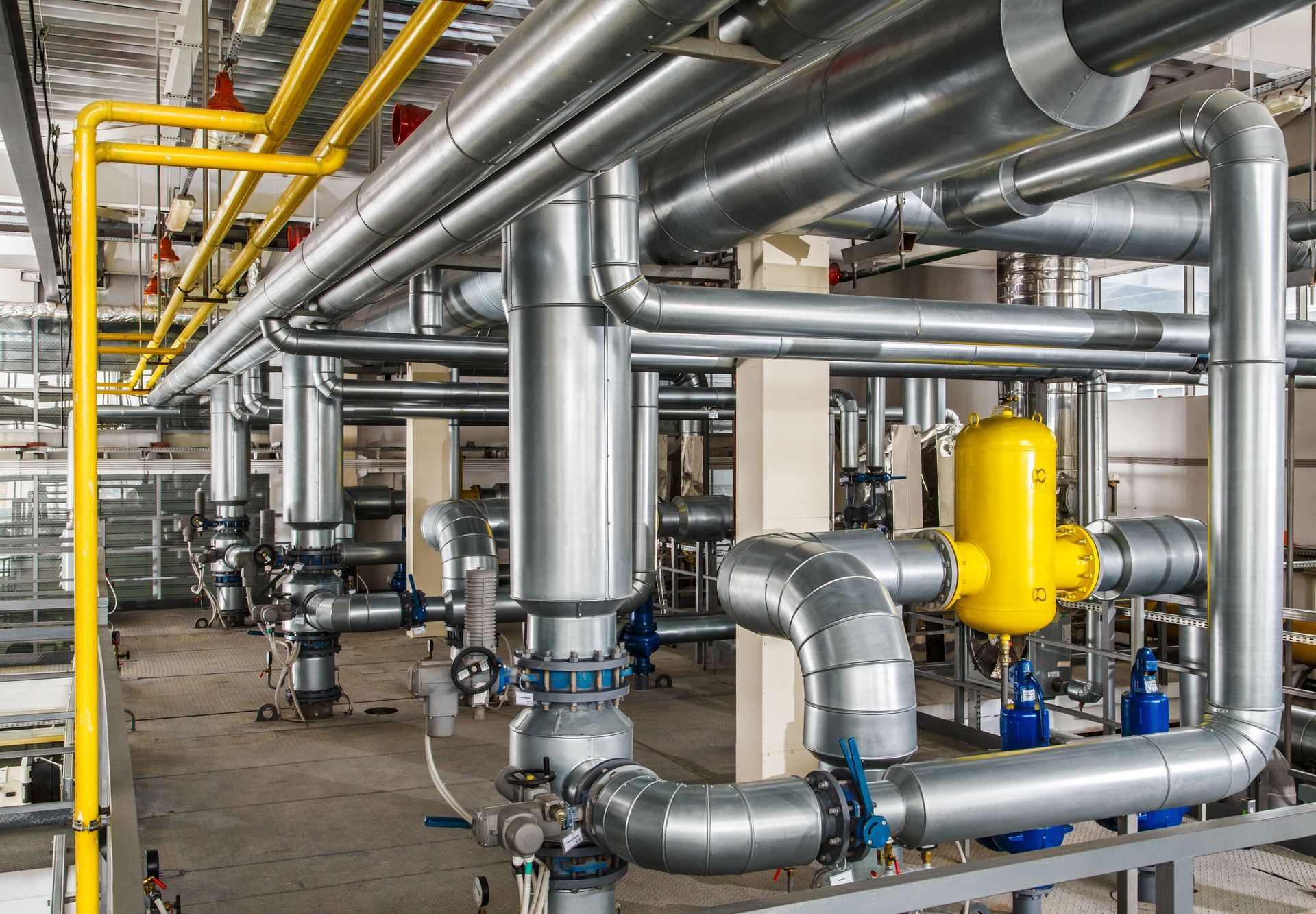
Artificial intelligence is rapidly reshaping the way modern facilities operate, bringing incredible advancements to complex mechanical systems. For decades, facility managers and contractors relied on traditional methods to design, install, and maintain fluid transport systems. Today, the landscape looks entirely different. Machine learning algorithms, automated data analysis, and smart sensors are converging to create unprecedented levels of accuracy and reliability. These technological leaps are driving massive transformations in industrial piping services. By leveraging smart technology, modern facilities can anticipate problems before they occur, allocate their resources with pinpoint accuracy, and maintain a seamless flow of operations. This continuous wave of innovation goes beyond simple operational upgrades; it represents a fundamental shift in how complex, heavy-duty infrastructure is ultimately managed and maintained over time. As new digital tools become widely accessible, industry professionals are discovering smarter ways to navigate complex projects and ensure lasting quality.
Optimizing Design and Planning
The initial phases of any facility upgrade require intense attention to detail, and artificial intelligence takes this precision to an entirely new level. Engineers and project managers now utilize sophisticated software that can simulate countless layout possibilities in a matter of seconds. These smart algorithms evaluate spatial constraints, material properties, and environmental factors to determine the most effective routing for fluid transport networks. As a result, the integration of intelligent tools into industrial piping services drastically reduces the likelihood of human error during the drafting stage. When professionals rely on intelligent modeling, they eliminate much of the guesswork that typically accompanies complex blueprints. The software can immediately flag potential clashes with existing infrastructure, ensuring that every valve, joint, and transport line fits perfectly into the designated space. Furthermore, these digital environments allow teams to test different structural scenarios without spending a single dollar on physical materials. This proactive approach to digital project visualization not only accelerates the overall preparation timeline but also guarantees a much higher standard of long-term structural integrity. With machine learning driving the conceptual phases, facility leaders can move forward with absolute confidence that their structural blueprints are flawless and fully optimized for long-term operational success.
Enhancing Predictive Maintenance
One of the most significant breakthroughs brought about by intelligent technology is the ability to foresee equipment failures long before they disrupt operations. In the past, facility managers adhered to strict, time-based maintenance schedules or waited for a component to break down completely before addressing the issue. Now, continuous monitoring tools collect real-time performance data to evaluate the health of every critical connection. When applied to industrial piping services, this proactive strategy prevents catastrophic leaks and costly operational halts. Sensors embedded throughout the network continuously track pressure variations, temperature shifts, and fluid flow rates. The artificial intelligence system analyzes this continuous stream of information, cross-referencing it with historical performance patterns to identify microscopic anomalies. If a specific section shows signs of excessive wear or irregular pressure, the system immediately alerts the maintenance team. Instead of performing broad, highly disruptive manual inspections, technicians can easily target the exact physical location that urgently requires their immediate professional attention. This highly targeted approach extends the lifespan of the entire infrastructure while drastically reducing the time and money spent on unnecessary upkeep. By shifting the focus from reactive repairs to intelligent foresight, organizations can maintain a consistent, uninterrupted workflow year-round.
Improving Workflow Efficiency
Efficiency on the job site is paramount, and smart algorithms play a crucial role in streamlining every step of the installation and upkeep process. By analyzing vast amounts of project data, automated platforms can coordinate schedules, manage supply chains, and organize labor with incredible speed. This logistical mastery ensures that technicians and materials arrive at the exact moment they are needed, eliminating idle time and accelerating project completion. The integration of digital oversight into industrial piping services creates a highly synchronized environment where every moving part aligns perfectly. Moreover, these advanced systems facilitate seamless communication across different departments and contractor teams. Everyone involved in the project has access to a centralized digital hub that updates in real time, reflecting the latest progress and any unexpected changes in the schedule. If a delay occurs in one area, the intelligent software instantly recalibrates the timeline and notifies all relevant personnel, preventing cascading bottlenecks. This level of dynamic adaptability allows site managers to keep their teams highly productive, even when facing unforeseen site conditions. The ultimate result is a perfectly smooth, highly coordinated team effort that maximizes daily output and ensures that all complex installations are finished well ahead of traditional, expected deadlines.
Elevating Safety Protocols
Maintaining a secure working environment is always the top priority in heavy-duty sectors, and artificial intelligence introduces robust mechanisms to protect both personnel and property. Complex transport networks often involve hazardous materials, extreme temperatures, and immense pressure, making safety oversight incredibly challenging. Smart monitoring systems continuously scan the environment for dangerous fluctuations, instantly identifying risks that human operators might overlook. By incorporating automated safety checks into industrial piping services, organizations can neutralize threats before they escalate into serious emergencies. Advanced algorithms also enhance safety training and procedural compliance on the job site. Wearable technology and smart cameras can monitor technician movements to ensure that everyone is adhering to established safety guidelines. If an individual enters a restricted zone or handles equipment improperly, the system can trigger an immediate warning. Furthermore, safety managers can review data collected by these automated tools to identify recurring behavioral risks and tailor their training programs accordingly. This constant, vigilant oversight reduces the likelihood of workplace injuries and environmental contamination. Through the incredible power of intelligent digital monitoring, facility leaders can foster a strong culture of total security, knowing their teams are constantly protected by the most advanced risk-management tools available.
Streamlining Resource Allocation
Proper resource management is the backbone of any profitable heavy-duty project, and machine learning ensures that every asset is utilized to its fullest potential. Before a project even begins, predictive algorithms calculate the precise amount of materials required, significantly reducing waste and preventing excessive purchasing. According to Mordor Intelligence, the Mechanical, Electrical, and Plumbing (MEP) services market size is expected to reach $34.61 billion in 2026. As the market expands, leaning on intelligent software to manage expanding budgets and complex inventories becomes absolutely essential. This digital oversight extends beyond raw materials, heavily influencing how labor and heavy machinery are deployed across large-scale sites. By evaluating the specific demands of each task, the system can recommend the ideal crew size and skill level needed to complete the job efficiently. When providing industrial piping services, this means assigning specialized technicians exactly where their expertise will make the biggest impact. The technology also tracks the usage and location of expensive tools, preventing loss and ensuring that crews never waste time searching for equipment. Through meticulous, highly accurate data-driven resource planning, large organizations can drastically improve their operational profit margins while consistently delivering vastly superior results to their clients.
The integration of advanced algorithms and machine learning represents a monumental leap forward for facility management and infrastructure development. From flawless blueprint generation and proactive maintenance to heightened security and impeccable resource distribution, intelligent technology provides an undeniable competitive edge. Facilities that eagerly embrace these powerful digital tools can consistently operate with far greater resilience, daily adaptability, and overall cost-effectiveness than ever before possible. As the landscape continues to evolve, staying ahead of technological trends is the key to maintaining a robust and reliable physical infrastructure. Those who recognize the value of modern innovation are setting a new standard for quality and performance. If you are looking to elevate your facility with the most reliable industrial piping services, you need a team that understands the intersection of hard work and advanced methodology. Reach out to Sexton Industrial today to learn more about how we can support your next major project.